
How I Treat Croup at Home: Natural Remedies & Red Flags from an ER Nurse + Holistic Mom
If you’ve ever woken up at 2am to your toddler sounding like a barking seal…
You know the panic.
That deep, instant, something is wrong feeling.
Croup is one of the most common things I saw working pediatric ER.
The good news: Most cases are mild and can be safely treated at home with simple supportive care.
The hard part: Knowing what’s normal, what actually helps, and when it’s time to go in.
So this guide is exactly what I’d tell my best friend. It’s what I personally keep stocked at home. It’s what I would do with my own kids. And it’s also what I watched work over and over again in the ER.
Medical Disclaimer: This information is for educational purposes only and is not medical advice. It is not intended to diagnose, treat, cure, or prevent disease. Always consult a qualified healthcare provider for personalized guidance.
Affiliate Disclosure: This post may contain affiliate links. If you purchase through these links, I may earn a small commission at no extra cost to you. I only recommend products I personally use and trust. Thank you for your support!
What Is Croup?
Croup (laryngotracheobronchitis) is a common viral respiratory illness that causes swelling in the upper airway — especially around the voice box (larynx) and windpipe (trachea).
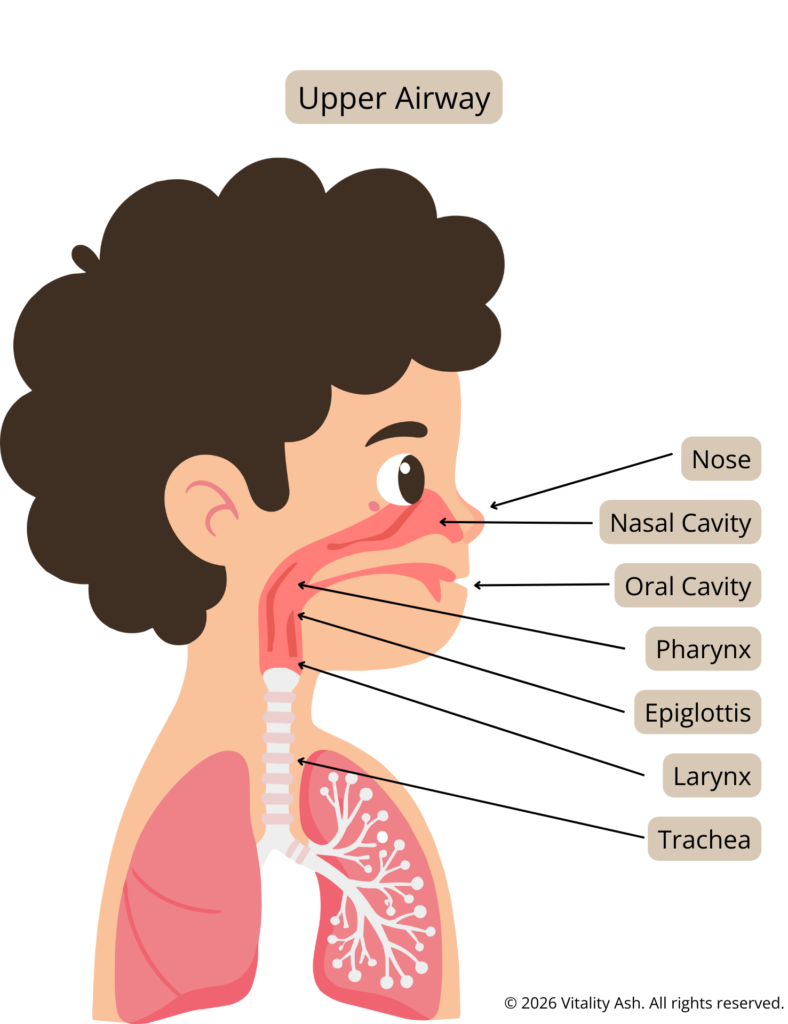
It mostly affects children between 6 months and 3 years old, but older kids can get it too. Because their airways are smaller, even a little swelling sounds dramatic.
That’s why it can feel so scary.
Classic Croup Symptoms:
- A distinctive “barking” cough that sounds like a seal’s bark
- Hoarse voice
- Stridor — a high-pitched whistling sound when breathing in
- Symptoms that worsen at night
- Often starts after a mild cold
You may also notice:
- Difficulty breathing
- Noisy or labored breathing
- Retractions (the skin between the ribs pulling in during breathing)
- Cold-like symptoms such as a runny or stuffy nose
- Low-grade fever
Symptoms often worsen at night and can last from a few days to up to two weeks. Most cases are mild, last approximately 3 days, and can be managed at home.
Severe cases are rare but may require hospitalization due to significant breathing difficulties and potential complications such as dehydration or the need for supplemental oxygen.
How to Manage At Home:
If my kids got croup, I wouldn’t reach for anything fancy first.
I would go back to the basics:
- Prioritize Rest
- Hydration – simplify their diet and focus on hydration
- Support their body – emotionally, nutritionally, and through natural remedies
- Monitor – Encourage a calm environment. Monitor your child for red flags (i.e. increased respiratory distress, inability to take oral fluids, irritability to the point of agitation, and lethargy)
Doing these things make the biggest difference.
Interventions I Would Use:
1. Steam
Benefits: Steam helps to loosen mucus, reduce inflammation, and soothe the irritated airways, making it easier for your child to breathe and reducing the severity of the barking cough and stridor.
How I use it:
Bathroom Steam: Run a hot shower in the bathroom, then sit with your child in the steamy room for about 10-15 minutes. Ensure the child does not come into direct contact with the hot water.
Humidifier: Alternatively, use a cool mist humidifier in your child’s room to maintain a consistent level of moisture in the air. Use a hygrometer to keep humidity between 40-60%.
This alone often softens the cough significantly.
Frequency: Repeat the steam treatment as needed, especially before bedtime or when symptoms worsen.
2. Cool or Cold Air
This is one of my favorite tricks — Cold air reduces airway swelling fast.
Benefits:
- Reduced Stridor: Cool air can help reduce the severity of stridor and the barking cough by relaxing the airways and reducing inflammation
- Improved Breathing: The cool air can make breathing easier for the child, especially when combined with other home treatments like steam and humidifiers
How I use it:
Outdoor Exposure: Take your child outside for a few minutes to breathe in the cool night air. Ensure they are dressed warmly to avoid getting cold
Car Ride: If it’s not convenient to go outside, you can take your child for a car ride with the windows slightly lowered to let in cool air. This can be particularly helpful if it’s not cold enough outside
Open Window: Alternatively, open a window in your home to let in cool air, especially at night when symptoms often worsen
Stand in Front of an Open Freezer: If it is not cold enough outside. You can stand in front of an open freezer!
It sounds silly, but it works incredibly well.
3. Hydration (More Important Than Anything)
Why Hydration Matters: Hydration helps to thin out mucus, making it easier for the child to expel, and reduces the severity of symptoms like the barking cough and stridor.
Other benefits:
- Reduces Inflammation in the airways, easing symptoms.
- Prevents Dehydration which can worsen symptoms and lead to other complications.
Types of Fluids I offer:
- warm clear fluids such as water, clear broths (i.e. bone broth)
- electrolyte-rich beverages (i.e. coconut water or Just Ingredients electrolytes – code: VITALITYASH).
- For older children, warm tea or soup can be soothing
- Breastmilk or formula for babies/toddlers
Frequency: Encourage your child to drink small amounts frequently to avoid overwhelming them.
Tips:
- Monitor intake: Keep track of how much fluid your child is drinking to ensure they’re staying hydrated
- Avoid irritants: Steer clear of caffeinated or carbonated drinks, as well as thick or sticky fluids that can irritate the throat
- Breast milk and formula: For infants, continue with breast milk or formula as usual, as these are essential for their hydration and nutrition
4. Rest + Calm
Kids breathe easier when they’re calm.
Crying makes stridor worse.
So my goal is:
- Extra cuddles
- Low lights
- Slow energy
- Nothing overstimulating
Nervous system regulation really matters here.
5. Nebulize
If I feel like they need a little extra support, I’ll use a hand held nebulizer or plug in nebulizer.
Benefits:
- Nebulizers deliver medication or saline directly to the airways, providing fast relief.
- Helps to soothe dry and irritated airways, reducing cough and stridor.
- Magnesium can help relax airway muscles, potentially easing breathing difficulties.
Nebulizing can be an effective way to deliver relief directly to the airways in children with croup. Here’s how I use it safely and effectively:
Saline Solution: Fill the nebulizer cup with saline solution. This helps to moisturize the airways and can be soothing for mild symptoms. Use normal saline (0.9%).
Magnesium Oil (Magnesium Chloride): Use 1/8 to 1/4 teaspoon of magnesium oil in the nebulizer cup, filling the remainder with saline. Magnesium may help relax airway muscles. Use caution and test on yourself first, it can sting sensitive nasal passages if too concentrated.
Hydrogen Peroxide: I use 3% food grade hydrogen peroxide and I dilute it 1:7 – Saline:Hydrogen peroxide.
Tips and Precautions:
- Aim for a session length of 15-20 minutes. Start with shorter sessions, around 5 minutes, especially for young children who may have difficulty sitting still.
- Use toys, books, or videos to distract your child during nebulization.
- Always consult with a healthcare provider before adding any supplements like magnesium chloride or oil to the nebulizer.
We use this handheld nebulizer at home, and it’s been incredibly helpful during respiratory season. You can also get a plug-in nebulizer that is a little more powerful + louder.
Natural Remedies & Supports I Keep on Hand
These aren’t magic cures — they’re supportive tools.
Think: “help the body,” not “suppress symptoms.”
Oral Natural Remedies + Immune Supports
Olive Leaf Extract + Vit C (from Camu Camu); Oliveda’s I01:
Potent anti-inflammatory and immune-supporting properties with powerful antioxidants like hydroxytyrosol and vitamin C (find it here).
Echinacea Tincture:
Often used during acute immune stress. I give every 1-2 hours. Dosage is 1 drop per 2lbs of body weight for severe symptoms. 1 drop per 5lbs body weight for milder symptoms
Vitamin C:
Supports immune function and recovery. Give 250-500mg of Vitamin C-aim for a whole food vitamin C – camu camu or acerola berries are a fantastic sources (Check Fullscript for 20% off all supplements or Perfect Supplements)
Thyme Tea:
Thyme is a natural antimicrobial and antispasmodic. Great for cough support. Brew a mild tea (1/2 tsp dried thyme in a cup of water) and give small sips. For kids, ensure it’s not too strong or hot. Stir in raw local honey to further soothe the throat.
Chamomile Tea:
A soothing and calming tea that can calm the throat and reduce inflammation.
Elderberry Syrup:
Supports the immune system during viral illness and may help fight off viral infections. Check out my recipe here.
Earthley Supplements: Code ASHLEYG
– Cough-be-gone
– Feel Better Fast
Topical + Comfort Supports
Chest Rubs
Herbal or essential oil–based rubs to open breathing. Earthley makes an excellent one called Breathe Well Salve (Code: AshleyG).
Garlic Oil (GOOT Method)
Make at home and apply on the child’s chest and/or feet.
Mustard Poultice on Chest
Improves circulation and helps loosen mucus. Use with caution due to potential irritation — do not use on small children.
Onion Poultice
Gently heat sliced onions, wrap them in a thin cloth, and place on the chest or back. Onions have sulfur compounds that can help reduce inflammation and loosen mucus.
Castor Oil Packs
Support lymphatic drainage and inflammation. Soak a cloth in warm castor oil, place it on the chest, and cover with plastic wrap and a warm towel. Castor oil is anti-inflammatory and promotes lymphatic drainage.
Ginger Poultice
Made with grated ginger and flour, it provides a warming effect and supports circulation without being as intense as mustard.
Epsom Salt/Magnesium Flakes Baths
Soak in a bath to promote relaxation and support the body. Can do a “detox bath” as well with magnesium/Epsom salts.
(Always use common sense and avoid anything irritating on very young kids.)
Homeopathy
Homeopathy offers several remedies that can help manage croup symptoms effectively. Here are some of the most commonly used homeopathic remedies:
Aconitum napellus (Aconite)
Indicated for the early stages of croup, especially when symptoms appear suddenly after exposure to cold, dry winds. The child may have a high fever, anxiety, and a dry, barking cough.
Spongia tosta (Spongia)
Suitable for croup with a dry, barking cough that sounds like a saw being drawn through wood. This cough is typically worse at night and accompanied by difficulty in breathing and hoarseness.
Hepar sulphuris calcareum (Hepar sulph)
Indicated when mucus has formed, and the cough becomes rattling and loose. This remedy is used when there is thick, yellow phlegm, and the child may choke with every coughing fit.
Sambucus nigra (Sambucus)
Recommended for croup, particularly at night. The child may wake up suddenly and have a dry, rough cough. This remedy is indicated when the child cries with every cough and has whistling respiration with an open mouth.
Drosera
Used for a deep, hoarse, barking cough that is worse when lying down and after midnight. The child may hold their chest while coughing.
Choose based on symptom picture and your comfort level.
🚨 When I STOP Treating at Home and Go to the ER
This part matters most.
I’m very comfortable treating croup at home.
But I never hesitate when I see red flags. Check out my Complete Respiratory Health blog post for more information.
There is nuance here; it is rarely just one thing that would be the deciding factor for me. Often, multiple things are happening at once, and there will be multiple signs.
Red Flags:
- Stridor at rest (not just when crying) — severe and persistent
- Visible retractions at rest that do not improve with positioning or interventions(skin pulling at neck / above collarbone)
- Rapid or labored breathing — nasal flaring, head bobbing, grunting noises
- Blue lips or fingernails (cyanosis) — indicating poor oxygenation
- Extreme fatigue or lethargy
- Agitation or panic that won’t calm
- Drooling or trouble swallowing
- Unable to drink fluids
- Symptoms worsening instead of improving
- Your gut says something isn’t right
Trust your intuition. It’s rarely wrong.
If You Go to the ER – Here’s What to Expect at the Hospital
Knowing what happens helps take the fear away.
Triage and Initial Assessment
Vital Signs: The nurse will check your child’s temperature, oxygen levels, heart rate, respiratory rate, etc.
Observation: They’ll listen to your child’s breathing for sounds like stridor (a high-pitched wheezing) or assess for signs of respiratory distress, such as retractions (chest or rib cage pulling inward during breathing).
Questions: You’ll be asked about the onset of symptoms, their severity, any previous episodes, and treatments you’ve already tried.
Common Interventions
1. Nebulized Epinephrine
Used if your child is experiencing significant airway swelling or stridor. This medicine quickly reduces inflammation in the airway. Your child will breathe the medication through a mask attached to a nebulizer.
2. Dexamethasone (Steroid)
A single dose of this oral or injectable steroid is often given to reduce swelling in the airway. Its effects last up to 48 hours and can prevent the need for further interventions.
3. Oxygen Support
If oxygen levels are low, your child may receive supplemental oxygen via a mask or nasal cannula.
Monitoring
After treatment, your child may be observed for several hours to ensure symptoms improve and don’t rebound. If nebulized epinephrine is used, monitoring is standard because its effects can wear off after a few hours.
When Hospitalization Is Needed
In severe cases, your child may be admitted to the hospital if:
- They have persistent difficulty breathing or severe stridor
- Symptoms worsen despite treatment
- They need ongoing oxygen or repeated doses of nebulized medications
Outcome
Most children respond well to hospital treatments for croup and recover quickly. Once the airway swelling is controlled, you’ll likely be discharged with instructions to continue supportive care at home, such as using a cool-mist humidifier and monitoring for worsening symptoms.
My Personal “Croup Kit” at Home
Here’s what I always keep stocked:
- Saline + nebulizer
- Humidifier
- Electrolytes
- Thyme tea + chamomile tea
- Elderberry syrup
- Vitamin C
- Chest rub (Breathe Well Salve)
- Homeopathy kit (Aconite, Spongia, Hepar sulph, Sambucus, Drosera)
- Magnesium Flakes/Epsom salts
- Olive leaf extract
- Echinacea tincture
Simple. Practical. Nothing extreme.
Where to Buy Supplies:
Amazon Wellness Apothecary lists here
Fullscript here – Save 20% on EVERYTHING. Fullscript is like the Amazon of supplements. They have everything from vitamins, to homeopathy, to body products, etc.
Everything is stored correctly, straight from the manufacturer, and there are never concerns for counterfeit products (unlike amazon supplements). I try to buy everything from here.
Final Thoughts From an ER Nurse + Mom
Croup sounds scary.
But most cases are manageable.
Your calm presence + simple support goes a long way.
You don’t need to panic.
You don’t need 20 remedies.
Just:
- Steam
- Cold air
- Fluids
- Rest
- And knowing when to go in
You’ve got this. ❤️
Disclaimer
This information is for educational purposes only and is not intended to substitute professional medical advice, diagnosis, or treatment. Always consult your healthcare provider or a qualified practitioner for any medical concerns or before trying new remedies.
What are your go-to remedies for croup? Have you tried any of these approaches? Drop a comment below and let me know!